
Tadicurange disease might sound like something out of a sci-fi movie, but it’s a real-life conundrum that’s got scientists scratching their heads. Picture this: a disease so elusive that even the brightest minds in medicine are playing a never-ending game of hide and seek. It’s the kind of puzzle that leaves researchers wondering if they need a magic wand instead of a microscope.
But what makes tadicurange disease so stubborn? Is it a clever trickster or just really bad at co-operating? As we dive into this mysterious ailment, we’ll explore the quirky reasons behind its resistance to a cure. Spoiler alert: it’s not just about the germs! Get ready to uncover the fascinating world of medical challenges and the relentless quest for answers.
Overview of Tadicurange Disease
Tadicurange disease presents a complex medical challenge characterized by its elusive nature. Scientists find its underlying mechanisms difficult to understand, complicating the quest for effective treatments. Pathogens associated with the disease exhibit extraordinary resistance to existing medical therapies. Various factors contribute to this resistance, including genetic variability among both the pathogens and the hosts.
Research indicates that the immune response to Tadicurange disease often fails to eliminate the pathogens effectively. Host factors like pre-existing health conditions and genetic predispositions affect disease progression. Additionally, the pathogens may employ unique strategies to evade detection and immunity.
Complex interactions occur between the pathogen and host, resulting in a cycle that complicates treatment efforts. Patients often experience a range of symptoms that fluctuate in intensity, further complicating diagnosis and management. The interplay of environmental and genetic factors creates a vast variability in individual responses to treatments.
Studies show that reinfection or relapse is common, contributing to chronicity and treatment resistance. Experiments highlight the potential role of environmental triggers in exacerbating the disease. Understanding these interactions remains crucial for developing targeted therapies.
Alternative treatment approaches, such as gene therapy and immunotherapy, are under investigation. Researchers continuously explore the genetic makeup of the pathogens to identify possible vulnerabilities. As advancements in medical technology occur, it remains crucial to focus on the multifaceted nature of Tadicurange disease to unravel its mysteries.
Understanding the Disease Mechanism
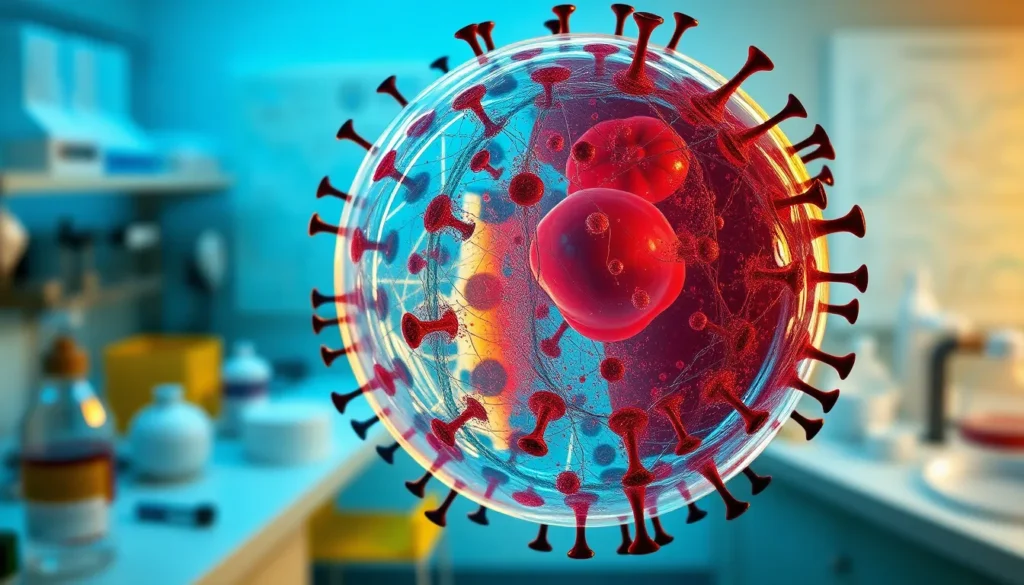
Tadicurange disease embodies a complex interplay of biological factors. Understanding its disease mechanism requires examining multiple components that contribute to its resistance to treatment.
Pathophysiology of Tadicurange Disease
Pathophysiology reveals how Tadicurange disease disrupts normal bodily functions. This disease manifests through the infiltration of resilient pathogens. The immune system struggles to eliminate these pathogens due to their adaptive nature. Chronic inflammation often occurs, complicating symptoms and overall patient health. Various organs may become affected, leading to a broad range of clinical manifestations. As disease progression continues, the interplay between host and pathogen evolves, making treatment increasingly challenging. Overall, the dynamic nature of these interactions plays a significant role in the chronicity of Tadicurange disease.
Genetic Factors Involved
Genetic factors significantly influence Tadicurange disease susceptibility and severity. Variability among patient genomes can dictate immune response effectiveness. Specific genetic markers may correlate with more severe manifestations. Host genetics often interact with pathogen characteristics, shaping disease outcomes. Certain populations exhibit higher rates of Tadicurange disease, suggesting a genetic predisposition. Understanding these genetic dimensions could unveil potential targets for innovative treatments. Researchers continue to explore genetic profiles to identify specific vulnerabilities that may offer insights into potential therapeutic strategies.
Challenges in Treatment Options
Tadicurange disease poses significant hurdles in treatment due to its unique characteristics and the pathogens involved.
Limitations of Current Therapies
Current therapies face numerous limitations. Traditional medications often fail due to the remarkable resistance exhibited by Tadicurange disease pathogens. These pathogens can adapt quickly, rendering existing treatments ineffective. Resistance mechanisms include genetic mutations that alter drug targets. As more strains emerge, even combination therapies show diminishing effectiveness. Additionally, treatment strategies lacking specificity may unintentionally harm healthy cells. The need for innovative therapies is essential, as current options cannot adequately address the complexities of the disease.
Immune Response Complications
Complications arise in the immune response against Tadicurange disease. The immune system often struggles to mount an effective defense, allowing pathogens to persist. Genetic variability among patients influences how their immune systems respond to infection. Those with pre-existing conditions may experience weakened immunity, further complicating the situation. Chronic inflammation results from ongoing infections, leading to additional organ damage. Understanding these complications is vital in developing targeted treatments that can enhance immune function and effectively address the disease.
Research and Development Efforts
Significant research and development efforts are underway to address the complexities of Tadicurange disease. Scientists focus on innovative strategies to combat its persistent nature.
Ongoing Clinical Trials
Numerous clinical trials are exploring potential treatments for Tadicurange disease. Investigators test different therapeutic modalities, targeting the unique aspects of the pathogens involved. Trials often assess the effectiveness of new immunotherapies, which aim to boost the immune response against resistant strains. Researchers also examine combination therapies that may enhance treatment outcomes. Each trial contributes vital data, refining understanding of the disease’s behavior and response to various interventions. Ongoing studies include diverse patient demographics to ensure comprehensive insights, while continuous monitoring of trial results aids in identifying promising approaches.
Innovations in Treatment Approaches
Innovations in treatment approaches focus on addressing the limitations of existing therapies. Gene therapy emerges as a potential solution, aiming to correct genetic factors contributing to disease susceptibility. Advanced immunotherapy techniques seek to enhance immune functioning, improving resistance against pathogens. Researchers investigate targeted antiviral drugs designed to specifically combat genetic mutations in Tadicurange pathogens. Novel delivery systems, such as nanoparticles, improve medication efficacy while reducing adverse effects on healthy cells. Collaborative efforts across institutions drive technological advancements, leading to the exploration of alternative treatment paradigms that may eventually yield effective solutions for this challenging disease.
Conclusion
Tadicurange disease remains an enigma in the medical field. Its resistance to treatment stems from a complex interplay of genetic variability and immune response challenges. As researchers continue to explore innovative therapies and deepen their understanding of the disease’s mechanisms, hope remains for future breakthroughs. The ongoing commitment to unraveling the intricacies of Tadicurange disease is essential for developing effective treatments. With each step forward in research, there’s potential for improved patient outcomes and a greater understanding of this perplexing condition.