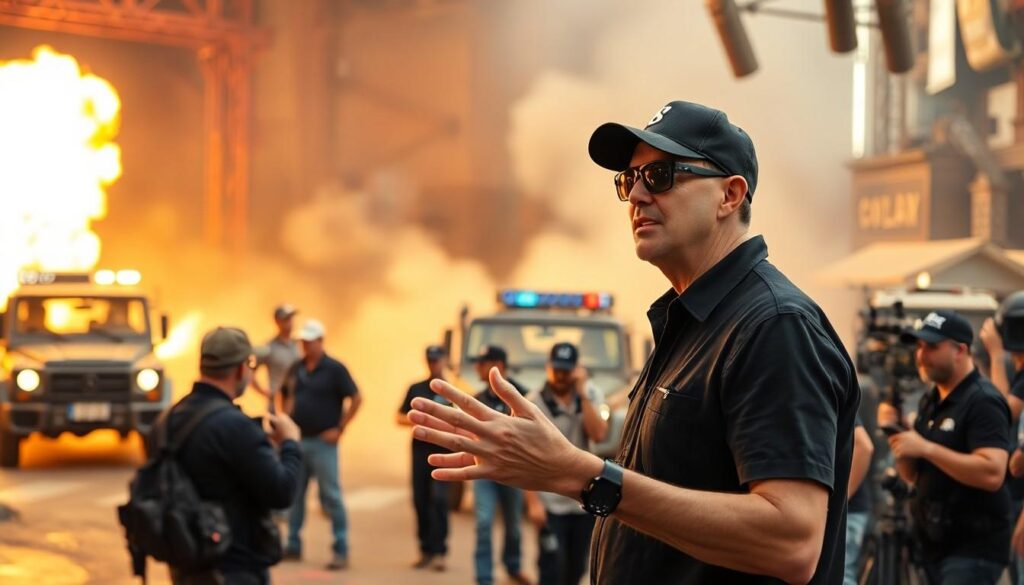
When it comes to action movies, the directors are the unsung heroes behind the explosive scenes and heart-pounding chases. They’re the masterminds who transform scripts into adrenaline-fueled spectacles that leave audiences on the edge of their seats. Without them, we’d just be watching a bunch of people running around aimlessly, and let’s be honest, nobody wants that.
Overview of Action Movie Directors
Action movie directors play a vital role in shaping the cinematic experience through visual storytelling. Their unique vision brings high-octane scripts to life, creating immersive worlds that draw audiences in. Notable directors such as James Cameron and Michael Bay have redefined the genre, pushing boundaries with innovative techniques.
Cameron is well-known for his work on blockbuster hits like “Terminator” and “Avatar.” His mastery of blending special effects with gripping narratives has set benchmarks in action filmmaking. Bay, recognized for “Transformers” and “Armageddon,” utilizes explosive sequences and dynamic camera movements, captivating viewers with thrilling visuals.
John Woo introduced a distinct style characterized by balletic gunplay and slow-motion action. His films, including “Face/Off” and “The Killer,” feature elaborate choreography and intense emotional arcs. Directors like Christopher Nolan have also made significant contributions, known for psychologically complex plots in films like “Inception” and “The Dark Knight.”
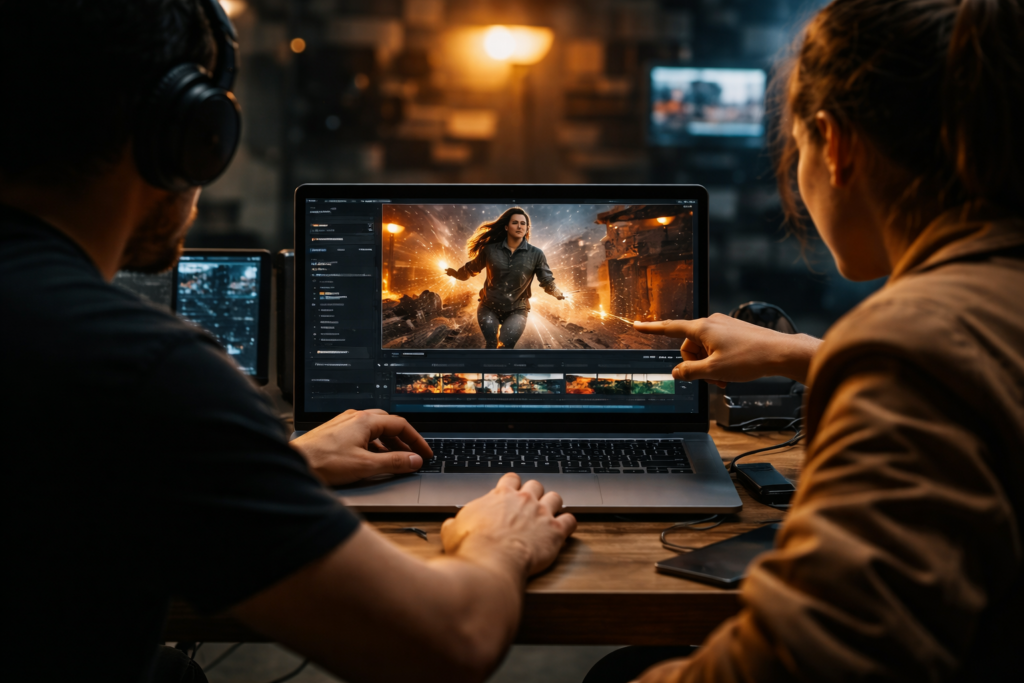
Influential directors often collaborate with industry professionals to enhance production quality. The synergy between directors and cinematographers, editors, and stunt coordinators contributes to the seamless execution of action sequences. This collaboration translates into engaging storytelling that resonates with audiences.
Emerging talents, such as Chad Stahelski of “John Wick,” continue to innovate within the genre. His focus on fight choreography and world-building highlights the shifting landscape of action films. As filmmakers explore new themes and techniques, action movie directors remain at the forefront of shaping cinematic excitement.
Iconic Action Movie Directors

Action movie directors have significantly influenced the cinematic landscape. Their creative visions and techniques deliver adrenaline-pumping entertainment.
Steven Spielberg
Steven Spielberg revolutionized action films with iconic works in the genre. He directed “Jaws,” which set the standard for suspense and thrill in cinema. Another notable film, “Indiana Jones,” combined adventure with unforgettable action sequences. Spielberg’s ability to craft compelling narratives enabled audiences to connect deeply with characters. His usage of innovative special effects paved the way for future filmmakers. Films like “Jurassic Park” demonstrated his knack for blending storytelling with groundbreaking technology, captivating viewers worldwide. The thrill of his action scenes remains unmatched, showcasing his artistry in filmmaking.
James Cameron
James Cameron reshaped action movies through his groundbreaking vision. “Terminator” pushed the boundaries of special effects and storytelling, becoming a classic in science fiction and action. With “Aliens,” he showcased strong female characters in intense, action-driven narratives. Unknown to many, his work on “Avatar” vividly altered visual effects and 3D storytelling. Cameron’s films often explore themes of humanity and technology, adding depth to explosive action. Audience engagement remains a hallmark of his films, particularly through thrilling sequences that keep viewers on the edge of their seats. His relentless pursuit of innovation continues to inspire filmmakers today.
Emerging Talent in Action Cinema
Emerging directors in action cinema are reshaping the genre with fresh perspectives and innovative storytelling techniques. Their unique visions often revitalize long-established conventions, bringing new energy to action films.
New Voices in Action Filmmaking
Fresh talent like Julia Ducournau and Nima Nourizadeh are breaking into the scene with distinct styles. Ducournau, known for her work in “Raw,” incorporates horror elements into action, creating gripping narratives that keep audiences on edge. Nourizadeh’s “Project X” showcases adrenaline-fueled chaos combined with humor. Additionally, directors like Park Hoon-jung are gaining recognition for blending intense action with cinematic depth in films like “The Witch: Part 1.” This new wave of directors adds diversity, redefining not only action but also the emotional stakes within the genre.
Notable Debuts
Debut films often set the stage for future successes in action cinema. For instance, “John Wick,” directed by Chad Stahelski, marked a turning point for action choreography, blending martial arts with stunning visuals. Another notable debut came from Gareth Evans with “The Raid,” which features breathtaking fight scenes that have influenced many subsequent filmmakers. Both films demonstrate how fresh directors can establish their own voices while contributing to the evolution of action storytelling. Such entries highlight the importance of new ideas in an industry constantly seeking innovative narratives.
Techniques Used by Action Movie Directors
Action movie directors employ various techniques to create visually stunning and engaging experiences. Their innovative approaches enhance storytelling while keeping audiences on the edge of their seats.
Cinematography in Action Films
Cinematography plays a pivotal role in action films, shaping the visual narrative. Directors use dynamic camera angles, swift movements, and close-up shots to amplify intensity. High-definition imagery captures every detail during explosive sequences. Lighting techniques, such as high contrast and strategic shadows, add depth to scenes, creating a gripping atmosphere. Noteworthy directors, like Michael Bay and Christopher Nolan, utilize unique styles to elevate the visual spectacle. The result captivates viewers, making even routine movements exhilarating. Cinematographers collaborate closely with directors to ensure a cohesive look. They use innovative technology, such as drones and Steadicams, to achieve impressive aerial shots and fluid movement.
Choreography and Stunt Coordination
Choreography and stunt coordination are essential elements in action films, crafting thrilling sequences that leave audiences breathless. Directors collaborate with skilled stunt coordinators to plan complex fight scenes that blend action and artistry. Each fight becomes a dance of precision and timing, engaging viewers and increasing tension. Notable contributions from directors like John Woo and Chad Stahelski highlight this importance. They design intricate action sequences that require rigorous training and rehearsal. Attention to detail ensures safety while delivering exciting visuals. Teams often use previz software to plan stunts, making every move purposeful. Overall, choreographed stunts transform ordinary battles into visually arresting showcases, enhancing the overall experience.
The Future of Action Movie Direction
Emerging technologies drastically reshape action movie direction. Virtual reality and augmented reality create new immersive experiences for audiences, allowing directors to experiment with storytelling techniques. Filmmakers leverage these advancements to enhance engagement and redefine viewer interaction.
Innovative filmmaking methods gain momentum as directors adopt cutting-edge equipment. Drones enable breathtaking aerial scenes, while high-frame-rate cameras capture action with stunning clarity. Filmmakers like Chad Stahelski continually push the envelope, demonstrating how technology can elevate action sequences.
Diverse voices in storytelling lead to a richer array of action films. Female directors, such as Gina Prince-Bythewood, break through barriers, offering fresh perspectives in a genre often dominated by men. As more underrepresented filmmakers enter the scene, action cinema reflects broader societal themes and interests.
Cinematic styles evolve as directors experiment with narrative structures. Some opt for non-linear storytelling, while others intertwine multiple perspectives, adding depth to action plots. Christopher Nolan’s work showcases how complex narratives captivate the audience’s attention while maintaining thrilling action.
Collaborative efforts among directors, writers, and other industry professionals remain crucial for developing compelling action films. Screenwriters craft engaging narratives, while cinematographers create stunning visuals. This synergy amplifies the impact of action scenes, making them memorable and immersive.
Sustainability now influences action movie production. Many directors prioritize eco-friendly practices, reducing waste through digital technology and sustainable filming techniques. Audiences increasingly appreciate films that demonstrate a commitment to environmental responsibility.
Despite advancements, the focus on character-driven storytelling endures. Strong character arcs resonate with viewers, providing emotional stakes amid intense action. Filmmakers understand that depth and authenticity maintain audience investment, ensuring the genre thrives in the future.
Action movie directors play an essential role in crafting the thrilling experiences that audiences crave. Their ability to blend stunning visuals with compelling narratives elevates the genre and keeps viewers on the edge of their seats.
As the landscape of action cinema evolves, these directors continue to push boundaries and explore new storytelling techniques. Emerging talents are bringing fresh perspectives, ensuring the genre remains dynamic and engaging.
With innovative technologies reshaping the filmmaking process, the future of action movies looks promising. Directors will undoubtedly keep captivating audiences with their unique visions and dedication to quality storytelling.