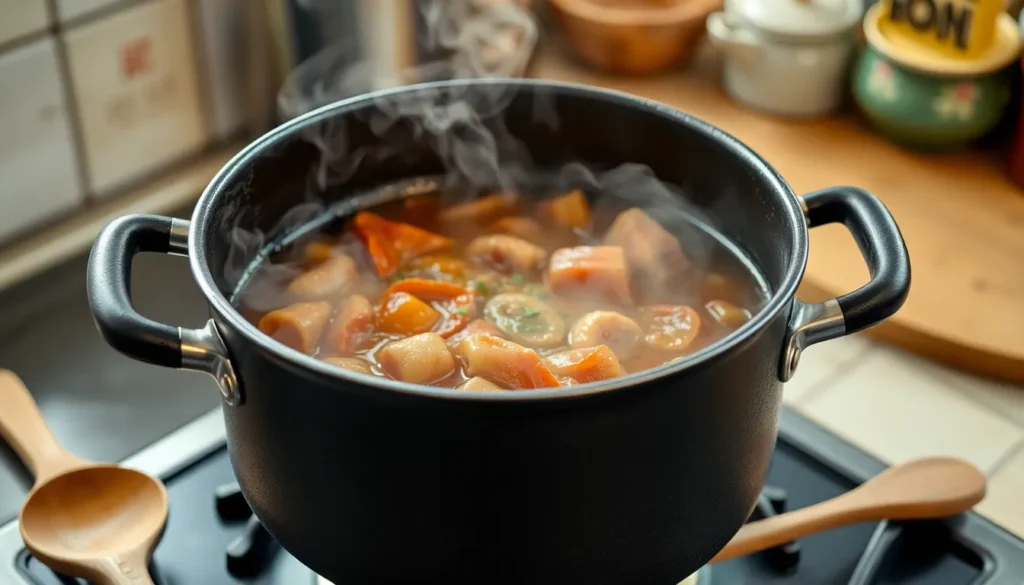
Cooking hingagyi can feel like a culinary adventure, but figuring out the perfect cooking time can be a bit of a puzzle. With its unique texture and flavor, this dish deserves a spot on everyone’s table. But how long should it really simmer to achieve that mouthwatering perfection?
Understanding Hingagyi
Hingagyi, a popular dish known for its unique flavor, requires careful attention during cooking. This ingredient, prevalent in various cuisines, enjoys a rich culinary history. Cooking hingagyi properly ensures that its delicate texture enhances any meal.
Measured cooking time matters significantly. Achieving the right results involves simmering for approximately 20 to 30 minutes, depending on the desired tenderness. Overcooking can lead to a mushy consistency, while undercooking leaves the dish lacking in flavor.
Flavor profiles develop significantly during the cooking process. Aromas amplify as hingagyi simmers, inviting taste sensations that delight the palate. Subtle spices and accompaniments complement hingagyi, enhancing its natural taste.
Choosing the right equipment also plays a crucial role in preparing this dish. Utilizing a heavy-bottom pot aids in even heat distribution, which helps maintain the ideal cooking temperature. Stirring occasionally promotes uniform cooking and prevents sticking.
Pairing hingagyi with various sides elevates the dining experience. Options include steamed vegetables, rice, or bread, which balance the dish’s richness. Variations in preparation methods exist, focusing on regional flavors and personal preferences.
Measuring ingredients accurately contributes to consistency in flavor. Fresh ingredients yield the best results, as they ensure maximum taste and nutrition. Following these guidelines can help anyone master hingagyi, making it a staple in their culinary repertoire.
Cooking Methods for Hingagyi
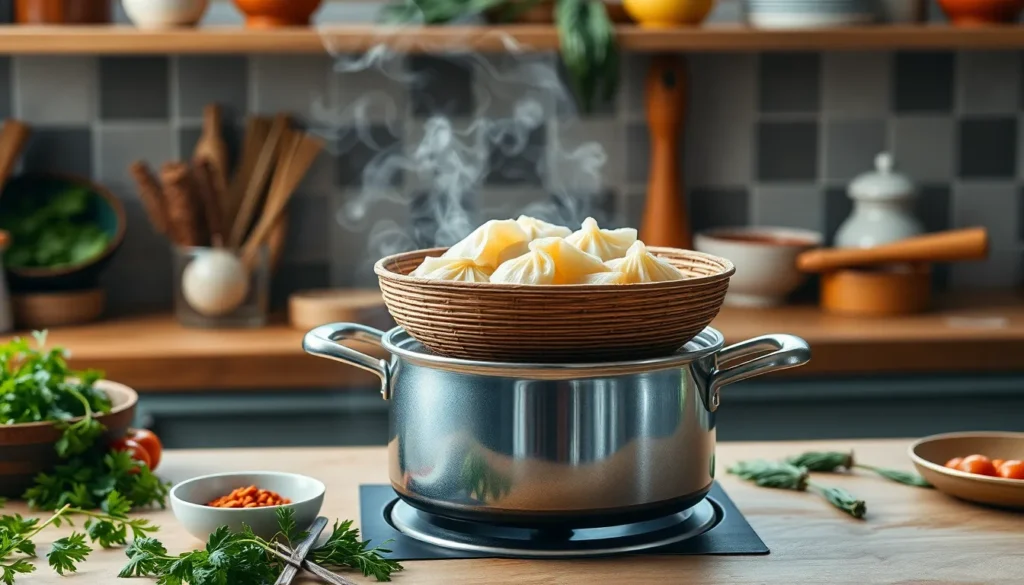
Cooking hingagyi effectively requires selecting the right method. Two popular approaches are boiling and steaming.
Boiling
Boiling hingagyi entails immersing it in water at a rolling boil. This method ensures that the dish cooks evenly. Achieving an ideal texture typically takes about 20 to 30 minutes. It’s essential to check for tenderness periodically during this time. Using a heavy-bottom pot aids in maintaining an even temperature, preventing hot spots. Stirring occasionally prevents sticking to the pot’s bottom. Once boiled, draining excess water enhances flavors, allowing for a richer tasting experience. Boiled hingagyi pairs well with dishes like rice or lentils, amplifying its savory profile.
Steaming
Steaming hingagyi preserves moisture while providing a unique flavor profile. This method also retains more nutrients compared to boiling. For steaming, positioning hingagyi in a steamer basket over boiling water allows steam to circulate. Cooking usually takes around 25 to 30 minutes. Monitoring closely helps ensure it reaches the desired tenderness without becoming mushy. Adding herbs or spices to the water can infuse subtle flavors during the steaming process. The result is a deliciously tender dish, ready to complement a variety of sides like vegetables or whole grains.
How Many Minutes to Cook Hingagyi
Hingagyi requires precise cooking times to fully develop its flavor and texture. Key cooking methods like boiling and steaming significantly influence the overall experience.
Recommended Cooking Times
Boiling hingagyi typically takes 20 to 30 minutes. This timeframe allows the ingredients to cook evenly while enhancing flavors. Steaming, however, requires an additional 5 to 10 minutes, generally falling between 25 to 30 minutes in total. Following these cooking times yields a tender dish, crucial for enjoying hingagyi fully.
Factors Affecting Cooking Time
Several factors impact cooking duration for hingagyi. Ingredient size can alter cooking time; larger pieces may need extra minutes. Altitude also plays a role, often requiring adjustments to boiling and steaming durations. Cooking equipment, such as pot material, affects how heat is distributed and retained, potentially changing the approach to cooking time. Consider these variables to achieve the best results.
Tips for Perfectly Cooked Hingagyi
Choosing the right pot is key. A heavy-bottom pot ensures even heat distribution, preventing hot spots that can cause uneven cooking. Stirring occasionally keeps the hingagyi from sticking to the pot, which maintains its texture.
Measuring ingredients accurately also plays a crucial role. Freshness affects flavor, so using quality ingredients enhances the overall taste. Cooking time is another significant factor; simmering between 20 and 30 minutes is ideal for achieving tenderness. Under-cooking will leave flavors underdeveloped, while overcooking can turn it mushy.
Flavor development occurs as hingagyi simmers. Aromatic scents release and enrich the dish, making it more appetizing. During cooking, consider taste-testing to adjust seasonings as needed.
Pairing hingagyi with sides can elevate the meal experience. Options like steamed vegetables, rice, and bread complement its flavors well. Experimenting with these combinations can lead to personalized dishes that suit various palates.
Cooking methods vary among chefs. Boiling takes 20 to 30 minutes, while steaming may extend the time to 25 to 30 minutes. Both methods effectively cook the dish, but steaming preserves more moisture and nutrients.
Adjustments may be necessary based on ingredient size and altitude. Larger pieces may require extra time for cooking, while higher altitudes can impact boiling efficiency. Monitoring these factors helps achieve the perfect hingagyi every time.
Conclusion
Mastering the cooking time for hingagyi is key to unlocking its rich flavors and perfect texture. With a simmering time of 20 to 30 minutes through boiling or 25 to 30 minutes when steaming, patience pays off. Attention to detail during the cooking process ensures that the dish doesn’t become mushy or bland.
Using the right equipment and fresh ingredients enhances the overall experience. By following these guidelines and experimenting with personal touches, anyone can elevate hingagyi to a delightful staple in their meals. Embracing this dish opens the door to a world of culinary possibilities.