Table of Contents
ToggleWhen that time of the month rolls around, many find themselves battling those pesky period cramps like a warrior in a never-ending video game. It’s like Mother Nature decided to throw a surprise party, but forgot to mention the pain. Thankfully, there’s a treasure trove of remedies that can help ease the discomfort and turn that frown upside down.
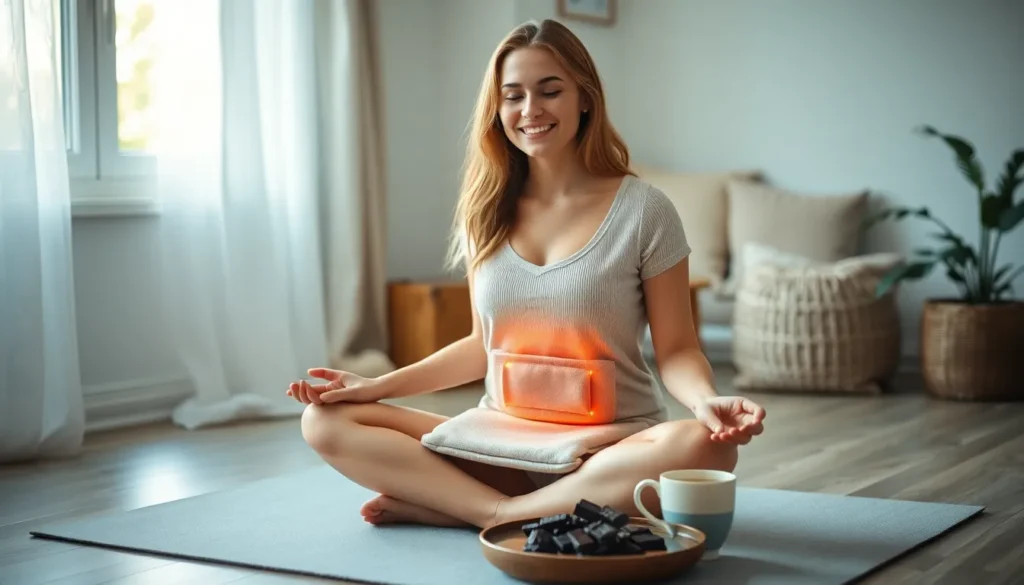
From cozy heating pads to delicious chocolate (yes, please!), there are plenty of options to help tackle those cramps head-on. Whether it’s herbal teas that soothe or gentle yoga poses that stretch away tension, finding relief doesn’t have to feel like a quest for the Holy Grail. Let’s dive into some tried-and-true methods that can make those monthly battles a little less daunting and a lot more bearable. After all, who says you can’t enjoy life while riding the crimson wave?
Understanding Period Cramps
Period cramps, medically known as dysmenorrhea, occur due to uterine contractions during menstruation. Many individuals experience varying levels of discomfort, ranging from mild to severe. Hormonal changes trigger these contractions, leading to pain in the lower abdomen, back, and sometimes even the thighs.
Menstruation often brings additional symptoms like bloating, headaches, and fatigue, which can exacerbate the discomfort. Understanding the causes of cramps helps in selecting effective remedies for relief. Prostaglandins, hormone-like substances, play a significant role in intensifying cramps by stimulating uterine contractions. Higher levels of prostaglandins typically correlate with increased pain.
Several options exist to manage this discomfort effectively. Applying heat to the lower abdomen remains a favored method, as warmth helps to relax the muscles and alleviate cramping. Herbal teas, known for their soothing effects, can also provide comfort. Chamomile and ginger tea serve as popular choices.
Gentle exercise is beneficial, as it encourages blood circulation and releases endorphins, which act as natural pain relievers. Activities such as yoga or walking serve not only to distract from the pain but also to enhance overall well-being.
Diet can influence the severity of cramps. Foods rich in magnesium, omega-3 fatty acids, and vitamins can help reduce inflammation and minimize discomfort. Consuming dark chocolate, for instance, provides magnesium and can be a tasty way to alleviate cramps while satisfying cravings.
Seeking medical advice remains essential for individuals experiencing severe, persistent pain. In some cases, healthcare professionals may recommend hormonal contraceptives or other medications to manage symptoms and regulate menstrual cycles. Understanding options available can empower individuals to cope more effectively with period cramps.
Natural Remedies
Natural remedies can provide significant relief from period cramps. Various options include herbal teas and dietary adjustments that target inflammation and discomfort.
Herbal Teas
Herbal teas offer soothing properties that help relieve cramps. Chamomile tea relaxes muscles and may reduce menstrual pain thanks to its anti-inflammatory effects. Ginger tea effectively alleviates pain through its natural analgesic qualities. Peppermint tea serves as another alternative, providing relief from bloating and discomfort associated with menstruation. Consuming these teas regularly during the menstrual cycle may contribute to overall comfort.
Dietary Adjustments
Dietary adjustments play a crucial role in managing period cramps. Foods high in magnesium, such as leafy greens, nuts, and seeds, help reduce muscle tension. Omega-3 fatty acids found in fatty fish and flaxseeds can decrease inflammation. Incorporating whole grains, fruits, and vegetables provides essential nutrients that support hormonal balance. Reducing intake of processed sugars and caffeine can also mitigate cramps and enhance overall well-being during menstruation.
Over-the-Counter Medications
Over-the-counter medications offer accessible options for alleviating period cramps. These remedies provide quick relief from discomfort.
Nonsteroidal Anti-Inflammatory Drugs (NSAIDs)
NSAIDs effectively reduce pain and inflammation associated with period cramps. Ibuprofen and naproxen are popular choices, targeting prostaglandins to decrease uterine contractions. Taking these medications at the onset of cramps can lead to significant relief. Dosages typically range from 200 mg to 600 mg every six to eight hours, depending on the product. Individuals should always follow the instructions on the package.
Other Pain Relievers
Acetaminophen serves as another option for managing period cramps. This pain reliever works by blocking messages to the brain and can be taken in doses of up to 1,000 mg every four to six hours. Combining acetaminophen with NSAIDs may enhance pain relief for some individuals. Additionally, medications with caffeine such as Excedrin can be effective, as caffeine may further reduce discomfort. Always consult a healthcare professional if unsure about the best choice.
Lifestyle Changes
Incorporating lifestyle changes can significantly alleviate period cramps.
Exercise and Physical Activity
Regular exercise reduces menstrual pain by releasing endorphins, which act as natural painkillers. Engaging in activities such as brisk walking, cycling, or swimming promotes blood circulation and encourages muscle relaxation. Gentle yoga poses help stretch tight muscles in the lower back and abdomen, further easing discomfort. Aim for at least 30 minutes of moderate exercise most days to optimize benefits. Short bursts of physical activity can also provide immediate relief during menstrual pain.
Stress Management Techniques
Managing stress effectively plays a crucial role in reducing period cramps. Practicing techniques such as deep breathing exercises and meditation lowers cortisol levels, helping the body respond better to pain. Engaging in mindfulness activities, like journaling or coloring, can distract from discomfort. Establishing a regular sleep routine contributes positively to overall well-being, promoting relaxation during menstruation. Consider incorporating aromatherapy with essential oils like lavender to create a calming environment that fosters stress reduction.
Alternative Therapies
Alternative therapies provide additional options for managing period cramps effectively. They focus on holistic approaches aimed at reducing pain and enhancing overall well-being.
Acupuncture
Acupuncture uses thin needles inserted at specific points in the body to alleviate pain. Research indicates it can significantly reduce menstrual pain by promoting blood flow and stimulating the release of endorphins. Sessions typically last about 30 to 60 minutes, and some individuals notice improvements after just a few treatments. Practitioners recommend a series of sessions for optimal results, often scheduling appointments during the week leading up to menstruation. Safety is prioritized with sterile techniques and qualified practitioners, ensuring a comfortable experience.
Massage Therapy
Massage therapy promotes relaxation and eases muscle tension, providing effective relief from cramps. It works by improving circulation and reducing inflammation, which can lessen discomfort. Techniques like Swedish or deep tissue massage target specific areas, such as the lower abdomen and back. Sessions usually last between 30 to 90 minutes, depending on individual preferences. Many find that regular massages during menstruation not only help manage pain but also improve mood and reduce stress. Practitioners often suggest incorporating self-massage techniques at home for continued benefits.
Finding relief from period cramps can significantly improve quality of life during menstruation. By exploring various remedies like heat therapy herbal teas and gentle exercise individuals can discover what works best for them.
Incorporating dietary changes and considering over-the-counter medications can also play a crucial role in managing discomfort. Additionally embracing lifestyle adjustments such as regular physical activity and stress management techniques can enhance overall well-being.
For those experiencing severe pain it’s essential to consult a healthcare professional for tailored advice and treatment options. With the right approach period cramps don’t have to be a monthly hurdle but rather a manageable part of life.