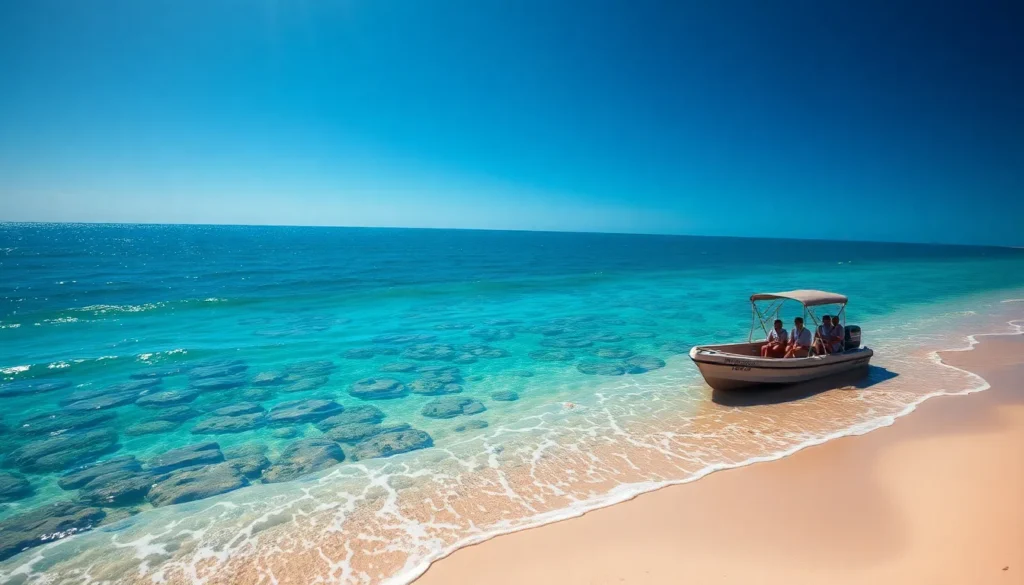
Ever wondered just how deep the Safukip Sea really is? It’s a question that’s piqued the curiosity of ocean enthusiasts and casual beachgoers alike. Picture this: you’re lounging on the shore, sipping a drink, and suddenly you’re struck by the urge to know if you could dive down to the ocean floor and find buried treasure—or maybe just a really old flip-flop.
Overview of the Safukip Sea
The Safukip Sea features varying depths that attract researchers and explorers alike. Maximum recorded depth reaches approximately 1,200 meters, providing ample opportunity for studying marine life and geological formations. Numerous underwater trenches contribute to this significant depth, hosting unique ecosystems.
Observations indicate that the sea’s varying depths create diverse environments. Some areas demonstrate shallow expanses, which support rich coral reefs that attract snorkelers and divers. Deeper sections, on the other hand, often harbor creatures not found in shallower waters.
Scientists continue to investigate the Safukip Sea’s bottom contours using advanced sonar mapping technology. Insights from such studies enhance understanding of the ocean’s dynamic processes. Mapping results reveal underwater features, such as ridges and canyons, that shape the seafloor.
Water temperature also changes with depth. Surface temperatures typically hover around 25 degrees Celsius, while deeper regions can plummet to 4 degrees Celsius. These temperature disparities influence marine biodiversity significantly.
Explorers and conservationists seek to protect the unique habitats within the Safukip Sea. Environmental initiatives aim to preserve its delicate ecosystems alongside understanding its depths. Collaboration among local communities and researchers promotes sustainable practices.
Studying the Safukip Sea offers a glimpse into oceanic mysteries, helping scientists uncover the relationship between depth and marine life. Knowledge gained from ongoing research fosters appreciation for this remarkable body of water.
Geological Features of the Safukip Sea
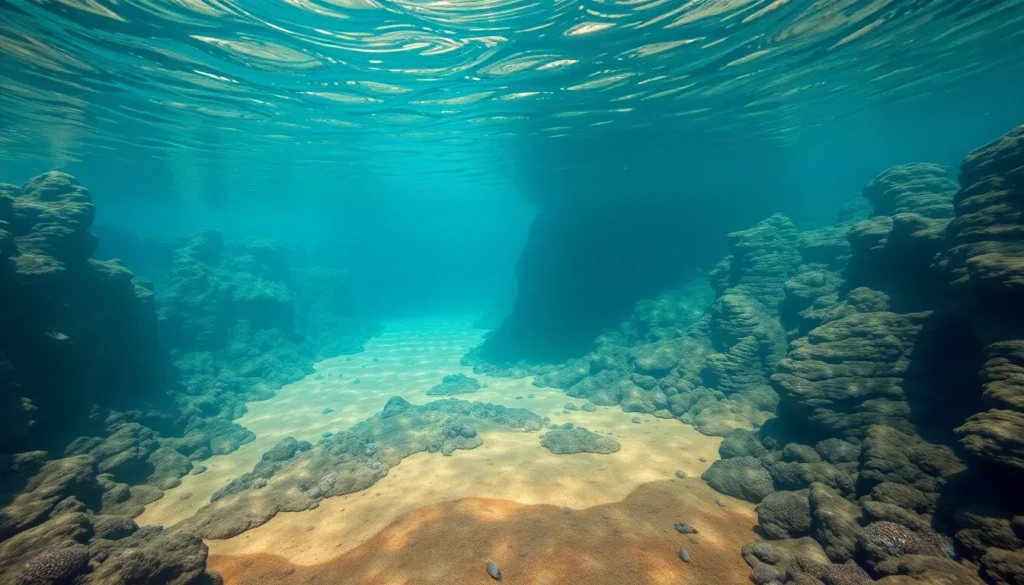
The geological features of the Safukip Sea present a fascinating range of underwater landscapes.
Submarine Topography
Submarine topography reveals a rich mosaic of features that define the sea’s floor. Ridges, valleys, and canyons contribute to its complex structure. Seafloor mapping indicates numerous trenches that provide habitats for diverse marine life. Exploratory missions have documented areas with significant geological activity, including volcanic formations and sedimentary basins. Variations in depth offer unique niches for various species, enhancing the ecological diversity in the region.
Underwater Geology
Underwater geology encompasses a variety of formations that shape the ocean’s depths. Sediments from the mainland and surrounding rivers accumulate along the seabed. Geological surveys highlight areas of tectonic activity, leading to the formation of faults and earthquakes. Rock types in the Safukip Sea include granite and basalt, which influence the overall composition and behavior of the marine ecosystems. Researchers continue to study these formations to better understand how geology affects marine biodiversity.
Biodiversity in the Safukip Sea
The Safukip Sea boasts a vibrant array of marine biodiversity. Its unique attributes create an ideal setting for diverse species to thrive.
Marine Life Adaptations
Creatures adapted to the depths of the Safukip Sea exhibit remarkable traits. Bioluminescent organisms utilize light to navigate and attract prey in dark waters. Some fish possess enhanced sensory organs, aiding in the detection of food sources. Notably, adaptations to varying temperature ranges allow survival in environments where conditions fluctuate dramatically. Thick skin or specialized body shapes enable many species to withstand high pressures found at depths of around 1,200 meters.
Unique Ecosystems
Unique ecosystems flourish in the Safukip Sea due to its diverse depths and geological structures. Coral reefs established in shallower areas support colorful fish, along with various invertebrates. Deeper trenches provide habitats for species such as giant squid and unique benthic creatures rarely encountered elsewhere. These ecosystems interact dynamically, with nutrient flows and migration patterns connecting different marine organisms. Geological formations like underwater canyons play a crucial role in shaping the habitats, influencing the distribution of life in the sea. Their complex interplay fosters a rich biodiversity that attracts ongoing scientific study.
Depth Measurements of the Safukip Sea
The Safukip Sea’s depth offers rich insights into its unique marine ecosystems and geological features. Understanding these measurements enhances knowledge of biodiversity in this region.
Historical Exploration
Early explorers ventured into the Safukip Sea, intrigued by its mysterious depths. Initial measurements relied on simple tools like weighted ropes, providing rudimentary insights into its topography. Explorations conducted in the 1800s revealed depths exceeding 1,000 meters, capturing the imagination of scientists and adventurers alike. These early findings laid the groundwork for future studies. They sparked interest in underwater mapping that evolved significantly over the decades.
Recent Findings
Recent studies utilize advanced technologies, significantly improving depth measurement accuracy. Sonar mapping reveals a maximum depth of approximately 1,200 meters, showcasing diverse underwater features. New data highlights unique topographies, including trenches and underwater ridges, crucial for studying marine life. Research indicates that temperature variations at different depths influence the distribution of species. In some regions, researchers documented previously unknown ecosystems thriving in the dark depths. These discoveries emphasize the importance of ongoing exploration and conservation efforts in the Safukip Sea.
Environmental Importance of the Safukip Sea
The Safukip Sea plays a vital role in maintaining ecological balance. Rich coral reefs thrive in its shallow areas, providing habitats for diverse fish species. These ecosystems contribute to local fisheries, supporting livelihoods for communities surrounding the sea.
With depths reaching approximately 1,200 meters, unique environmental conditions exist. Increased pressure and lower temperatures in deeper regions foster distinct marine life forms. Observations show that adaptations such as bioluminescence help organisms survive in these challenging conditions.
Researchers emphasize the importance of underwater geological features. Canyons and ridges create shelters for various species, enhancing biodiversity. Many of these geological formations also serve as indicators of tectonic activity, which impacts marine ecosystems significantly.
Conservation efforts highlight the need to protect these fragile habitats. Local communities collaborate with scientists to implement sustainable practices. Initiatives include monitoring marine life and establishing protected areas to reduce human impact.
Scientific exploration continues to uncover new knowledge about the Safukip Sea. Innovative sonar mapping technology reveals previously hidden ecological dynamics. Insight gained from these studies informs conservation strategies and enhances understanding of marine ecosystems.
Preserving the Safukip Sea ensures the protection of its biodiversity. Diverse species contribute to the food chain, supporting overall ocean health. Through ongoing research and community involvement, the environmental significance of this sea remains evident.
Conclusion
The Safukip Sea stands as a remarkable testament to the wonders of our oceans. Its profound depths and diverse ecosystems offer a unique glimpse into marine life and geological phenomena. As scientists continue to explore and map this underwater realm, they unveil secrets that enhance our understanding of ocean health and biodiversity.
The ongoing efforts to protect these habitats highlight the importance of sustainable practices in preserving the delicate balance of marine environments. With each discovery, the Safukip Sea not only captivates explorers but also reinforces the need for conservation, ensuring future generations can appreciate its beauty and significance.